Emeritus Professor, Neurology, University of Minnesota, USA Clinical Senior Lecturer, Otago University, Wellington, NZ
Meet the team of world-renowned experts working with GBS-CIDP Foundation International, of which we are an Allied Partner.
Meet the team of world-renowned experts working with GBS-CIDP Foundation International, of which we are an Allied Partner.
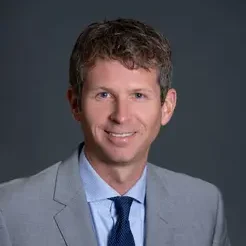
Professor in the Department of Neurology at the University of Minnesota. Jeffrey Allen is a Professor in the Department of Neurology at the University of Minnesota, Minneapolis, MN, and adjunct faculty at Northwestern University, Chicago, IL. He completed his neurology residency at Tufts University and neuromuscular fellowship at Harvard.
Dr. Allen’s research has focused on defining the clinical and diagnostic boundaries of the inflammatory neuropathies, as well as investigating treatments for those disorders.
He serves on the GBS/CIDP Foundation International Global Medical Advisory Board as well as the Inflammatory Neuropathy Consortium (INC) board.
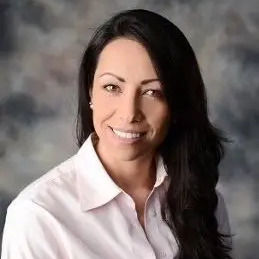
Dr. Castro, a board-certified neurologist and neuromuscular physician, is a pioneer in research and management of patients with Spinal Muscular Atrophy (SMA), Duchenne Muscular Dystrophy (DMD), Myasthenia Gravis, and Acquired Neuropathies, like Chronic Inflammatory Demyelinating Polyneuropathy (CIDP). Since completing training in paediatric neuromuscular medicine, Dr. Castro has conducted multiple clinical research trials in SMA, DMD, and Charcot-Marie-Tooth (CMT), among other conditions.
Being an intricate part of developing innovative therapies for rare neuromuscular conditions is one of her biggest passions, along with the strong bonds she makes with all her patients and their families. This unique relationship with her patients drives her to continue searching for therapeutic options for them.
In addition to managing a busy patient load and conducting research, Dr. Castro has had many peer-reviewed publications, book chapters and has given multiple national and international lectures in English and Spanish. She also sits on several national medical advisory boards and steering committees.
After more than ten years, Dr. Castro left academia with the objective of creating a non-profit private practice and research institute for neuromuscular conditions. She is the CEO and Founder of a non-profit neuromuscular practice called Neurology & Neuromuscular Care Center, opens an external site. It has the capacity to offer care to all neuromuscular patients, including paediatric and adult patients, with or without insurance, as well as international patients.
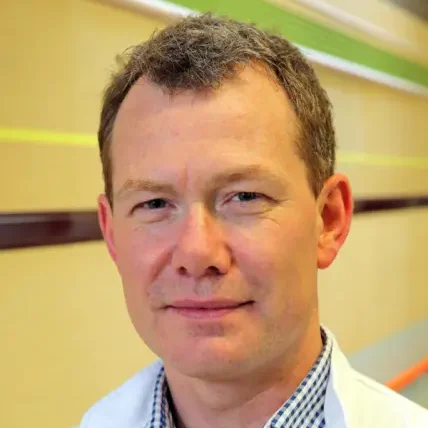
Bart C. Jacobs, MD, trained in Immunology and Neurology at Erasmus Medical Center, Netherlands.
In 1997, he completed a PhD thesis on the pathogenesis of Guillain-Barré syndrome.
Since 2003, Dr. Jacobs has worked as a staff neurologist in the Department of Neurology and as a consultant and workgroup leader in the departments of Immunology at EMC. Since 2008, he has been Associate Professor of Neurology and Immunology. Dr. Jacobs’ research is focused on the epidemiology, clinics, pathogenesis and treatment of immune-mediated neuropathies, especially GBS. He has a special interest in preceding infections, molecular mimicry, anti-ganglioside antibodies, genetics, intravenous immunoglobulins and predicting outcomes in GBS. Dr. Jacobs also initiated the International GBS Outcome Study (IGOS,) a worldwide collaborative study from the Inflammatory Neuropathy Consortium on the monitoring and prediction of the clinical course of GBS.
Dr. Jacobs is the vice-chair of GBS|CIDP Foundation International’s Global Medical Advisory Board. He is also a member of the Education Committee Postgraduate School of Molecular Medicine, a member of the Education Committee Master of Science Infection and Immunity, and a Board member of the Dutch Neuromuscular Research Center. He is a member of the Dutch Society of Neurology, Dutch Society of paediatric Neurology, Dutch Society of Immunology, Dutch Society of Glycobiology, and International Society of Neuro-immunology, European Neurological Society, Peripheral Nerve Society, and Inflammatory Neuropathy Consortium.
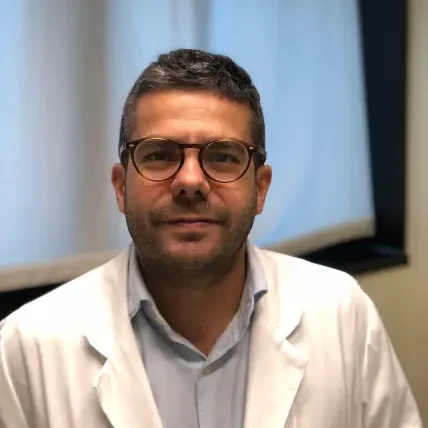
Pietro Emiliano Doneddu, MD, is a neurologist, researcher, and Professor at Humanitas University (Hunimed), affiliated with Humanitas Clinical and Research Hospital in Milan, Italy. He completed his medical degree and neurology residency at the University of Sassari and received additional training in neuromuscular diseases and peripheral neuropathies at Catholic University of the Sacred Heart in Rome and King’s College Hospital in London. His research focuses on inflammatory and immune-mediated neuropathies, particularly chronic inflammatory demyelinating polyradiculoneuropathy (CIDP) and multifocal motor neuropathy (MMN), with interests spanning clinical epidemiology, electrophysiology, biomarkers, and diagnostic criteria. He coordinates the Italian study group on CIDP and MMN and is actively involved in international collaborative research initiatives. Dr. Doneddu serves on the Board of the Peripheral Nerve Society (PNS) and the Board of the ASNP (Italian Peripheral Nerve Society). He has authored numerous peer-reviewed publications on peripheral nerve disorders and contributes to multicentre studies aimed at improving the diagnosis and treatment of immune-mediated neuropathies.
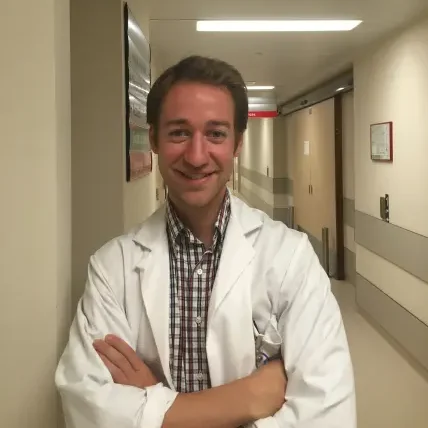
Dr Nicolas Dubuisson is a consultant neurologist specialising in neuromuscular disorders.
He completed his neurology residency at the Université catholique de Louvain (UCLouvain), Belgium, followed by a clinical fellowship at the University Medical Center (UMC) Utrecht, the Netherlands, where he received advanced training in inflammatory neuropathies and peripheral nerve ultrasound.
Since October 2019, he has been a consultant neurologist and permanent staff member at the Neuromuscular Reference Centre of Cliniques Universitaires Saint-Luc in Brussels.
Alongside his clinical practice, he completed a four-year PhD in neuromuscular neuroimmunology (2019–2024). He is currently undertaking postdoctoral research at the University of Oxford, United Kingdom, where his work focuses on inflammatory neuropathies, particularly multifocal motor neuropathy, with an emphasis on elucidating its underlying immunopathological mechanisms and developing more effective targeted therapies.
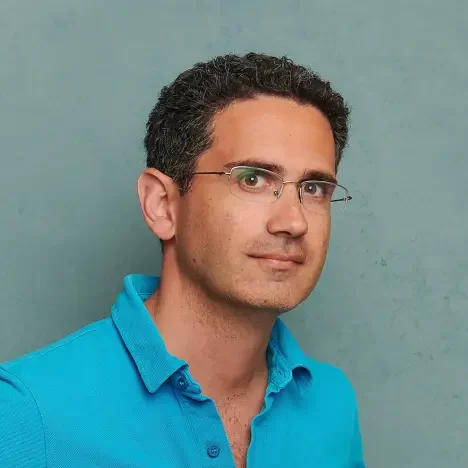
In 2012, Filip completed his training as a neurologist, after which he remained affiliated with the Neurology Department of the Amsterdam UMC as a fellow in neuromuscular diseases. Since 2016, Filip has been a staff member working as a neuromyologist and neuroimmunologist. His expertise particularly focuses on inflammatory neuropathies and other neuroinflammatory disorders such as myositis, myasthenia gravis, and more recently, neurological complications after immunotherapy.
Filip’s research primarily focuses on chronic inflammatory demyelinating polyneuropathy (CIDP). He coordinates several multicenter studies and combines both a clinical and translational approach. Filip is the principal investigator of INCbase, a global registry that systematically collects data and biomaterials for CIDP across 12 countries.
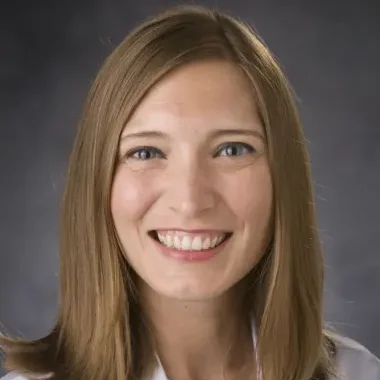
Karissa Gable, M.D. is a Professor in the Department of Neurology at Duke University Medical Center in Durham, N.C. She completed her neurology residency at Northwestern University and neuromuscular fellowship at Harvard.
Dr. Gable’s research interests have focused on investigating the underlying pathophysiology and developing quality of life outcome measures in chronic inflammatory neuropathies as well as investigating novel treatments for those disorders. She is also committed to education for training the next generation of leaders in the field as the medical student neurology clerkship director and neuromuscular fellowship director at Duke.
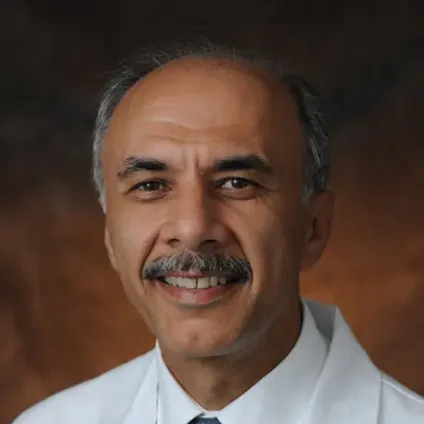
Sami Khella, MD is Chief and Professor of Clinical Neurology at the University of Pennsylvania School of Medicine. He has been a lifelong Penn man, having attended college, fine arts and medical school there. After living in France, he trained in neurology and subspecialised in neuromuscular diseases also at Penn.
After finishing his neuromuscular fellowship at the Hospital of the University of Pennsylvania, mentored by Drs. Austin Sumner, Arthur Asbury, and Mark J Brown. Dr. Khella has spent his entire career as an attending neurologist at Penn Presbyterian Medical Center of the University of Pennsylvania, where he is chief of the Department of Neurology.
His interest in GBS|CIDP dates back to his residency and fellowship under Dr. Sumner. Since then, he has developed a centre of excellence in these disorders where hundreds of patients are treated annually. The centre also actively participates in national and international educational programs and is an active hub of research and clinical trials in this area.
He cofounded the Penn Amyloidosis Center at the University of Pennsylvania, and this program has grown into one of the largest amyloidosis centers in the United States. The center is a comprehensive multidisciplinary unit that includes cardiologists, hematologists, nephrologists, transplant hepatologists, a nurse navigator and others. The center hosts numerous clinical trials for patients with amyloidosis, who can also receive state of the art therapies.
Dr. Khella has authored or co-authored many peer reviewed papers on GBS, CIDP, amyloidosis, myasthenia gravis and other neuromuscular diseases. He has won many teaching awards, and is considered one of a handful of national or international experts on peripheral neuropathy, particularly amyloid neuropathy. He is a highly sought after speaker.
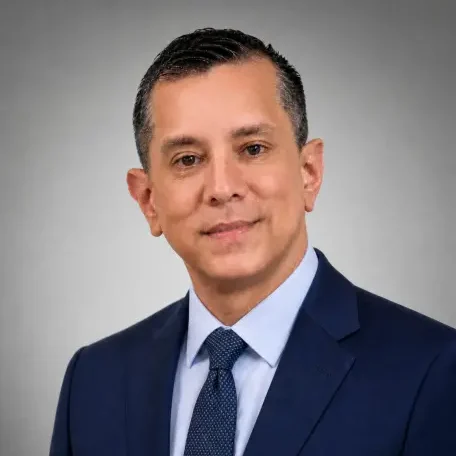
Dr. Hans Katzberg is a Clinical Investigator at the Krembil Brain Institute at the University Health Network-Sinai Health (UHN-SH) and Professor in the Department of Medicine at the University of Toronto. He is an associate member of the Institute of Medical Sciences and Temerty Centre for Artificial Intelligence Research and Education in Medicine (T-CAIREM). He is currently Division Head and Krembil Family Chair in Neurology at UHN-SH.
Dr. Katzberg’s research includes the development of novel electrophysiological and minimally invasive neuromuscular diagnostics, including a novel vacuum-assisted muscle biopsy program and neuromuscular imaging techniques including MRI neurography and neuromuscular ultrasound for immune neuropathies. He has led international guidelines on testing methods for small fiber neuropathy and been principal investigator on Canadian Institute of Health Research (CIHR) funded research evaluating novel tests for neuromuscular junction disorders. He is active in the evaluation and treatment of patients with peripheral nerve hyperexcitability and muscle cramps and is the co-developer the Muscle Cramp Impact Index (MCII), a patient centred scale for evaluation of muscle cramps.
In the therapeutic space, Dr. Katzberg has led multi-centre and investigator initiated clinical trials and served on international steering and safety committees with government and industry partners to advance the safe and effective use of immunotherapies for neuromuscular diseases. His contributions include over 180 peer-reviewed publications, articles and book chapters which transformed how patients with neuromuscular disease are assessed and managed worldwide.
Dr. Katzberg’s patient and community advocacy efforts have included service on the medical advisory boards of the Inflammatory Neuropathy Consortium (INC) arm of the Peripheral Nerve Society (PNS), Myasthenia Gravis Foundation of America, MG Society and CIDP/GBS Foundation of Canada, as well as co-leading the Pediatric to Adult Transition Task Force for the Division of Neurology at the University of Toronto.
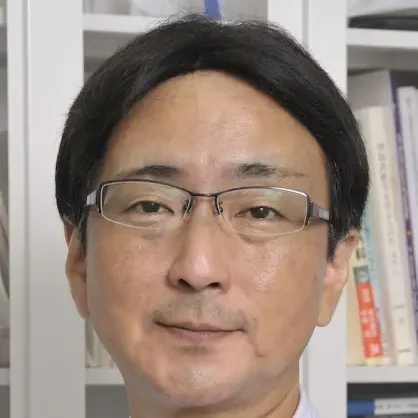
Professor Kuwabara is the Chair of Neurology at Chiba University Hospital (since 2008). He is a clinical neurologist, Deputy Editor of the Journal of Neurology, Neurosurgery and Psychiatry (2010-2022), and Chief Reviewer of the Cochrane Database Systematic Review; “Treatment for POEMS syndrome” (since 2008). He graduated from Chiba University in 1984 (MD), and studied clinical neurophysiology under Prof. David Burke at the University of New South Wales, Sydney (1999-2000). He has extensively studied clinical neurophysiology and neuroimmunology through the pathophysiology and treatment of CNS inflammatory (MS/NMOSD) and neuromuscular (Guillain-Barre syndrome, CIDP, and POEMS syndrome) diseases. He has published 650 (English) and 450 (Japanese) peer-reviewed articles.

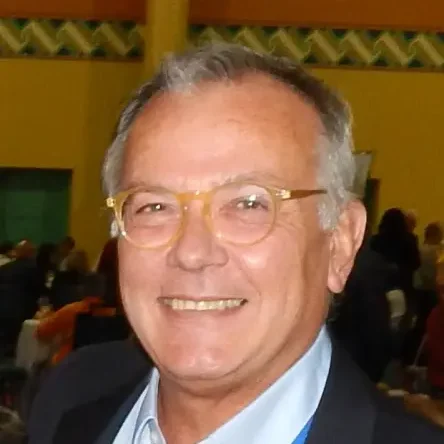
Emeritus Professor, Neurology, University of Minnesota, USA Clinical Senior Lecturer, Otago University, Wellington, NZ

Mamatha Pasnoor, M.D.FAAN, is a professor in the Department of Neurology at the University of Kansas Medical Center. She received her bachelor of medicine and bachelor of surgery (M.B.B.S/M.D.) degree at Osmania Medical College, Andhra Pradesh, India. She completed an internship in medicine at Grand Rapids Medical Education and Research Center, Michigan State University, followed by a residency in neurology and a fellowship in clinical neurophysiology with focus on neuromuscular diseases at the University of Kansas Medical Center. After completing her fellowship in 2006, she joined the faculty at the University of Kansas Medical Center. Dr. Pasnoor is certified by the American Board of Psychiatry and Neurology in Neurology, Neuromuscular Medicine and Clinical Neurophysiology. She is also the program director for the neurology residency program, program director for clinical neurophysiology fellowship and associate director for neuromuscular medicine fellowship at the University of Kansas Medical Center. Dr. Pasnoor’s practice focuses on neuromuscular diseases and general neurology. She is co-directors the neuropathy center at the university which is also a center of excellence for GBS/CIDP. She is also serve on the medical advisory board for GBS/CIDP international and is on the board of directors for local Myasthenia gravis association. Her research interests include neuropathies, neuromuscular junction disorders and various other neuromuscular disorders and presently participating in multiple clinical trials.
Dr. Stojan Peric is employed at the Department for Neuromuscular Disorders, Neurology Clinic, University Clinical Center of Serbia. He is an Assistant Professor of Neurology at the Faculty of Medicine, University of Belgrade. The main fields of his clinical and scientific work are acquired and inherited polyneuropathies, muscular dystrophies and other myopathies, neuromuscular junction diseases, as well as motor neuron diseases. He has published more than 170 scientific papers in peer-reviewed journals. His h-index is 35 according to Google Scholar and 28 according to Scopus. Dr. Peric is an Associate Editor of the European Journal of Neurology and a member of the Editorial Board of the Journal of the Peripheral Nervous System. He served as Co-Chair of the EAN Panel for Neuropathies from 2022 to 2024. He has also served as Co-Chair of the TREAT-NMD Global Myotonic Dystrophy Registry from 2022 to 2025.
Dr. Louis Querol is a neurologist and internationally recognised expert in autoimmune neuropathies, specialising in CIDP and autoimmune nodopathies. He serves as Coordinator and Principal Investigator of the Autoimmune Neurology Program at Sant Pau Hospital in Barcelona and is a Clinical Associate Professor of Neurology at the Universitat Autònoma de Barcelona.
Dr. Querol’s research has led to the discovery of key biomarkers, including anti-contactin-1 antibodies, that have transformed the diagnosis and classification of CIDP and contributed to the recognition of autoimmune nodopathies as a distinct disease category. He has helped shape the European Academy of Neurology/Peripheral Nerve Society guidelines on CIDP, leads biomarker research, and serves as a principal investigator and steering committee member for multiple international clinical trials focused on inflammatory neuropathies.
Dr Ricardo C. Reisin graduated from the School of Medicine Universidad de Buenos Aires Argentina and completed his Neurology training at McGill University Montreal Canada . As a recipient of a Rotary International Grant he completed a Fellowship in Clinical Neurophysiology and Neuromuscular Disorders at the University of California San Francisco USA.
He is currently both a Consultant of Neurology and the Co- Director of the CIEPOF (An integrated Center of Rare disorders) at the Hospital Británico Buenos Aires Argentina . He is past president of AADELFA (Argentine Association for the Research and Treatment of Lysosomal disorders and the Director of PREIEF an intensive training program on Fabry disease for Latin American physicians. He is the Argentinean Coordinator of the International Guillain -Barré Syndrome Outcome Study (IGOS)
Dr Reisin has been the Editor of the Spanish edition of Neurology (2012-2020) and is Professor of Neurology Universidad de Buenos Aires
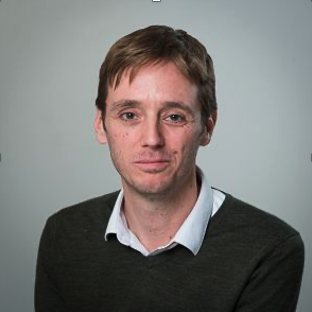
Prof Rinaldi is a clinician scientist and clinical neurologist who leads the University of Oxford’s programme of inflammatory neuropathy research. This research spans from in vitro disease modelling using cell-based assays to biomarker discovery, clinical phenotyping, and clinical trials. His lab have developed models of immune mediated axonal injury and demyelination using human induced pluripotent stem cell derived myelinating co-cultures. These experimental systems are now being used to learn more about the mechanisms of immune-mediated peripheral nerve injury, and are a valuable tool in the search for novel auto-antibodies and for the discovery and pre-clinical evaluation of fluid biomarkers. The lab also runs the only UK based diagnostic testing service for nodal and paranodal antibodies, which associate with distinct forms of autoimmune nodopathy, and the underlying B-cell biology of these and related peripheral nerve disorders is a more recent area of study. His research programme also includes a clinical / observational study of chronic inflammatory neuropathy (Bio-SPiN). The group additionally contributes to and benefits from close links with the comprehensive and high-quality clinical-serological database of 2000 patients encapsulated in the International GBS Outcome Study (IGOS), and has been involved in therapeutic trials in Guillain-Barré syndrome (GBS), chronic inflammatory demyelinating polyradiculoneuropathy (CIDP), and multifocal motor neuropathy (MMN).
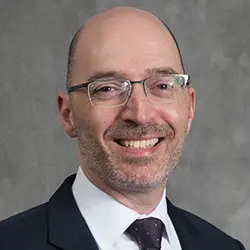
Clinical Associate Professor of Neurology, University of Arizona College of Medicine.
Dr. Saperstein has spent the last 20 years actively involved in research and patient care involving GBS and CIDP. He is currently in practice at Honor Health Neurology in Phoenix, AZ, where he is co-director of the GBS|CIDP Foundation Center of Excellence as well as a Clinical Associate Professor of Neurology at the University of Arizona College of Medicine.
Dr. Saperstein is a graduate of Boston University School of Medicine. He performed a Neurology residency at Wilford Hall USAF Medical Center in San Antonio, Texas, followed by a Neuromuscular Disease/Clinical Neurophysiology fellowship at the University of Texas Southwestern Medical Center in Dallas. Dr. Saperstein is board certified in Neurology, Neuromuscular Medicine, and Electrodiagnostic Medicine.
In addition to caring for patients with GBS and CIDP, he sees patients with other disorders of the nerves and muscle. Dr. Saperstein is active in multicentre research studies of treatments for neuropathies, amyotrophic lateral sclerosis, myasthenia gravis, and myositis. He often lectures to physicians and patients throughout the U.S. and has authored or co-authored over 50 journal articles, book chapters, and abstracts regarding various aspects of nerve and muscle disease.
Center for Complex Neurology EDS, POTS
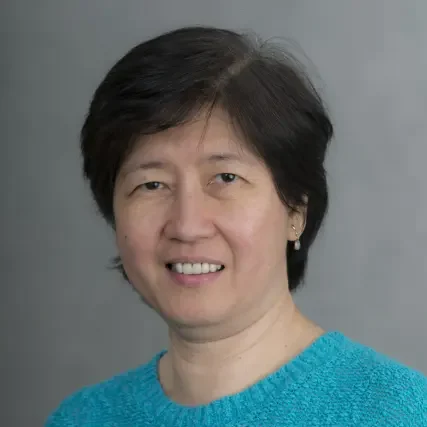
Professor and the Associate Chair for Faculty Affairs of the Department of Neurology at the University of Chicago.
Betty Soliven, MD is a Professor and the Associate Chair for Faculty Affairs of the Department of Neurology at the University of Chicago. She is one of the leading experts in neuromuscular diseases such as Guillain Barré syndrome, chronic inflammatory demyelinating polyradiculoneuropathy (CIDP), other inflammatory neuropathies, myasthenia gravis (MG) and myositis. She is the Director of the Electrodiagnostic Laboratory and EMG/Neuromuscular training program at the University of Chicago. Under her leadership, the University of Chicago has been designated as one of the Centers of Excellence by GBS/CIDP International.
Dr. Soliven has a broad background in neuroscience research, including ion channels, glial biology and animal models of neurologic diseases. Her clinical and research interests have led to interesting publications on glial cell biology as well as pathogenetic and immunoregulatory mechanisms in a spontaneous autoimmune polyneuropathy in B7-2 deficient NOD mouse model and experimental autoimmune myasthenia gravis (EAMG). She and other investigators found that myelin P0 is the antigenic target in B7-2 deficient NOD mouse model where deletion of a co-stimulatory molecule leads to a switch of phenotype from type 1 diabetes to an inflammatory neuropathy mimicking CIDP. In both animal models of autoimmune disease affecting the peripheral nerves or the neuromuscular junction, regulatory T cells and regulatory B cells play an important role in suppressing or modulating the disease severity. Her current research focuses on the potential roles of bile acid receptors in autoimmune neuropathy and myasthenia.
Her research has been funded by National Institute of Health, National Multiple Sclerosis Society, GBS/CIDP International and Conquer MG (previously known as MG Foundation of Illinois). She has also served as a manuscript reviewer for multiple journals as well as a grant reviewer for NIH study sections, GBS/CIDP International and other funding agencies. She is the Chair of the Medical Advisory Board for Conquer MG and a member of GBS/CIDP Foundation Global Advisory Board. She is also a member of American Academy of Neurology, American Neurological Association, American Association of Electrodiagnostic Medicine, Peripheral Nerve Society and Society for Neuroscience.
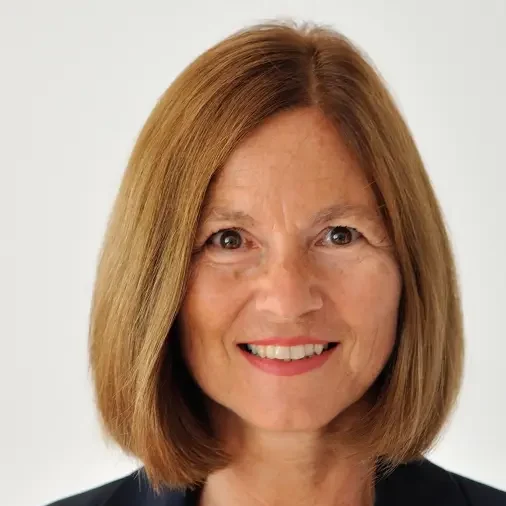
Claudia Sommer is a Professor of Neurology at the University of Würzburg, Germany. She received training in neurology, psychiatry, neuropathology, and experimental pain research. At the University Hospital of Würzburg, she serves as a consultant in neurology, organizes outpatient clinics for patients with neuromuscular disorders, pain and headache, and she leads the Peripheral Nerve Laboratory with a service for nerve-, muscle- and skin biopsies. Research interests are the role of inflammation in neuropathy and pain, and how autoantibodies are related to diseases. A major focus of the lab are the antibody-mediated diseases, in particular the autoimmune neuropathies and disorders of the stiff-person spectrum disorder. Prof. Sommer has written more than 300 original research papers and more than 100 reviews and book-chapters and edited several books. She has served as President of the German Pain Society in 2019 to 2020 and as President of the International Society for the Study of Pain (IASP) from 2020 to 2022). She is a Fellow of the European Academy of Neurology (EAN), and has been involved in their educational activities for many years. She is presently a Board member of the Peripheral Nerve Society (PNS) and has received the PNS 2023 Gebhart Prize for her work on inflammatory neuropathies. She is active in the German competence network for peripheral neuropathies (KKPNS), and is Deputy Editor of the European Journal of Neurology.
University of Würzburg, Germany.

UCLA Medical
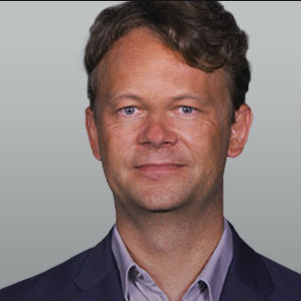
Thomas Harbo is a neuromuscular specialist at Aarhus University Hospital in Aarhus, Denmark, a certified Centre of Excellence by the GBS|CIDP Foundation International. His neurology training was at Aarhus University Hospital and he has completed a neuromuscular fellowship at Johns Hopkins Hospital in Baltimore, MD, USA. His Clinical and academic interest is focused on acute and chronic inflammatory neuropathies including Guillian-Barre Syndrome (GBS), chronic inflammatory demyelinating polyneuropathy (CIDP), and multifocal motor neuropathy (MMN). His research has helped establish the role of subcutaneous immunoglobulin (SCIG) in the treatment of MMN and CIDP.
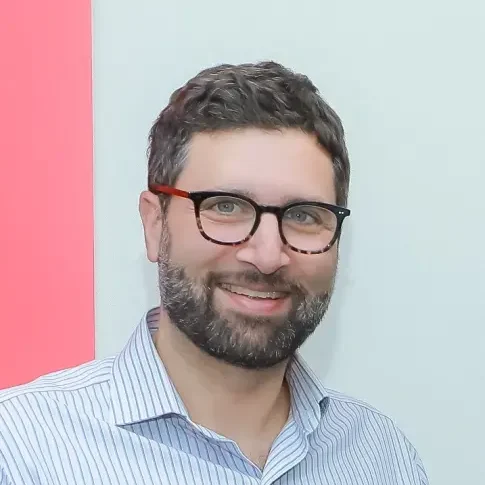
Professor of Clinical Neurology and Director of the Neuromuscular Fellowship Program at the University of Pennsylvania.
Dr. Chafic Karam is a Professor of Clinical Neurology and Director of the Neuromuscular Fellowship Program at the University of Pennsylvania. Dr. Karam received his medical degree at St. Joseph’s University in Beirut, Lebanon. He completed a residency in neurology at Mount Sinai Beth Israel, along with 2 fellowships in neuromuscular disorders and peripheral nerve pathology at Mass General Brigham and the Mayo Clinic, respectively. Dr. Karam is board-certified in neurology and neuromuscular medicine by the American Board of Psychiatry and Neurology. He serves as an ad hoc reviewer for 25 different journals, on the editorial board of Muscle & Nerve, Annals of Clinical and Translational Neurology, as associate editor for BMC and served as deputy editor on the Neurology journal. Dr. Karam has been an investigator on over 40 clinical trials and have authored over a 100 publications. His clinical research focuses on neuropathy, specifically those related to amyloidosis and autoimmune conditions such GBS, CIDP, MMN and vasculitic neuropathies.